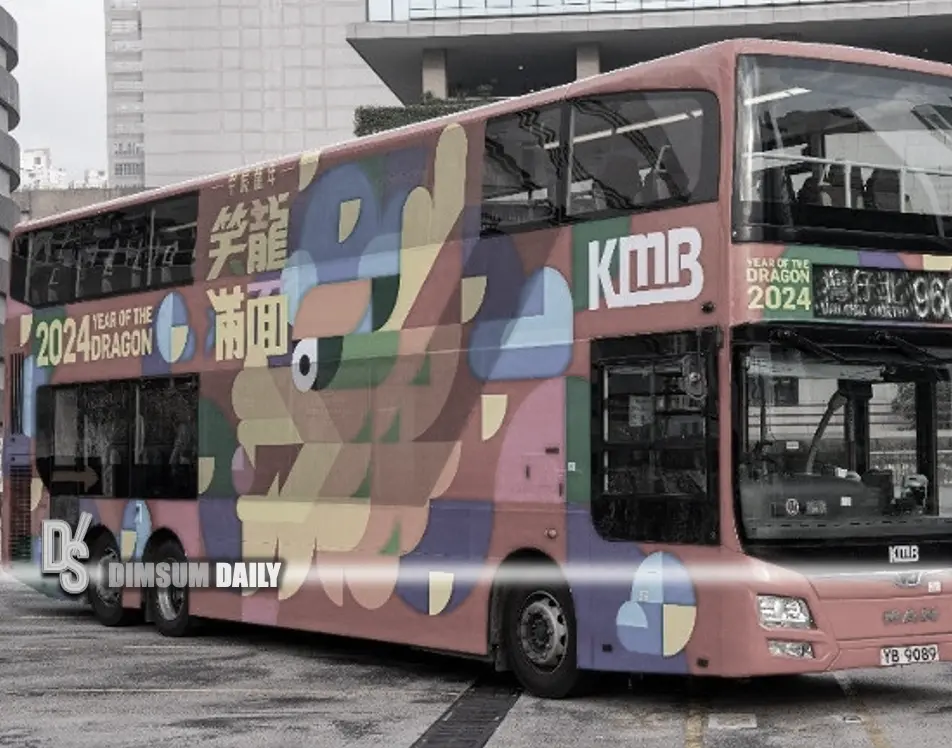
The Transport Advisory Committee (TAC) has expressed its support for the government’s recent decision to approve a prudent fare hike for franchised bus operators. The fare adjustment, aimed at maintaining the financial sustainability of bus services while balancing affordability for commuters, comes at a critical time as operators face rising operational costs.
Addressing Rising Operational Challenges
Franchised bus operators across the region have been grappling with escalating costs driven by:
Fuel Prices: The global increase in fuel costs has significantly impacted transportation operations.
Labor Expenses: Rising wages to attract and retain skilled drivers and operational staff.
Maintenance Costs: Expanding fleets, particularly electric buses, require ongoing maintenance and infrastructure investment.
TAC noted that these cost pressures have made it essential to implement modest fare adjustments to ensure that operators can continue delivering safe, reliable, and efficient bus services to the public.
A Balancing Act: Affordability and Sustainability
The committee emphasized that the fare hike decision reflects a careful balancing act. While affordability remains a key concern for commuters, the adjustment is designed to minimize the burden on passengers while supporting long-term financial health for bus operators. This move will enable operators to:
Invest in Fleet Modernization: Including the procurement of electric and low-emission buses to meet environmental targets.
Enhance Service Quality: Improve bus frequency, reliability, and passenger comfort.
Support Technological Upgrades: Implement smart transportation systems and digital solutions to optimize operations.
Ensuring Public Transparency
To foster transparency and public trust, the government and franchised bus operators will launch initiatives to clearly communicate the reasons behind the fare adjustments. This includes:
Explaining cost pressures and the need for sustainable revenue streams.
Highlighting planned service improvements funded by the fare increase.
Outlining the benefits of continued investments in cleaner and greener transportation.
TAC’s Role in Supporting Public Transport
The TAC reaffirmed its commitment to ensuring that public transport remains affordable, accessible, and sustainable. It recognizes the importance of supporting policies that allow franchised bus operators to adapt to evolving challenges without compromising service quality or passenger needs.
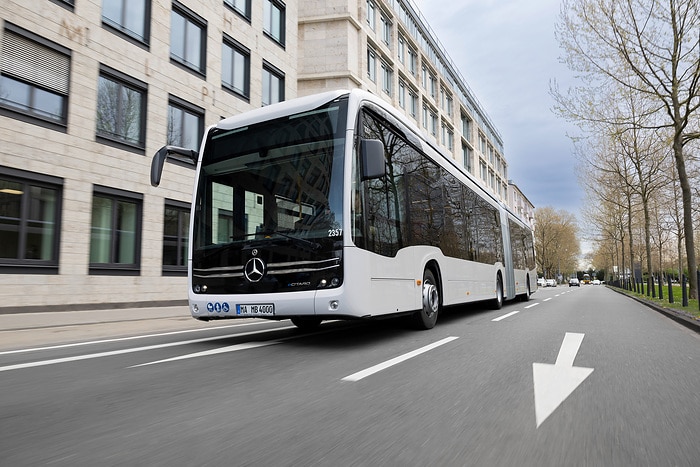
The electric bus (e-bus) market in Europe continues to grow at an impressive pace, with over 4,000 e-buses registered in the first three quarters of 2024, reflecting a 25% year-on-year increase. This significant milestone highlights the continent’s commitment to sustainable urban transport and reducing carbon emissions in cities.
Mercedes-Benz Leads the Charge
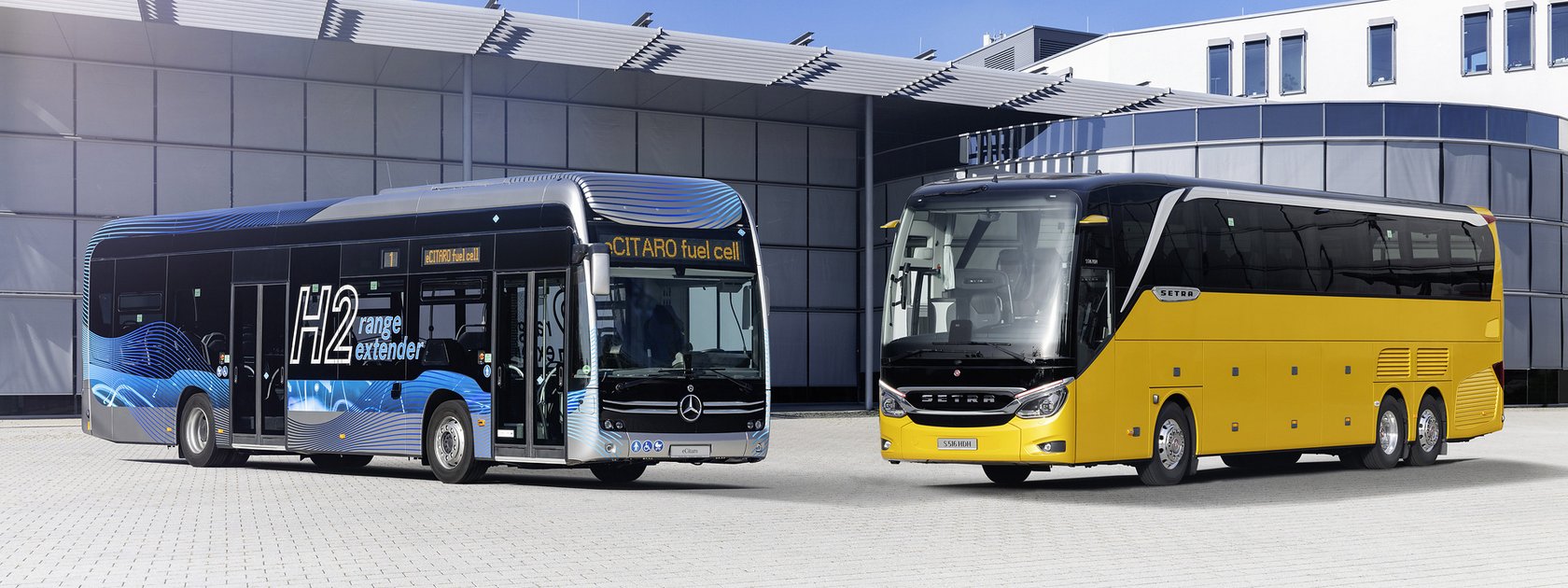
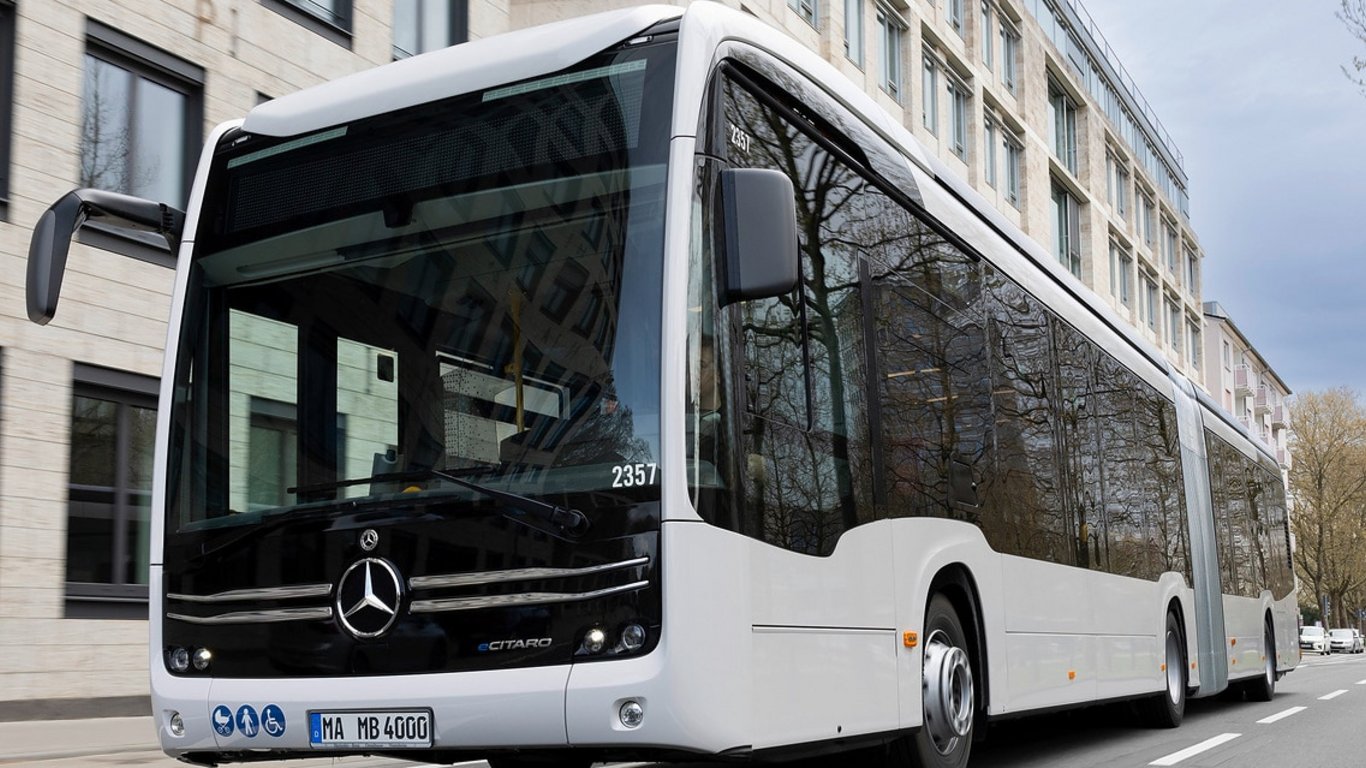
Among the leading players in the European e-bus market, Mercedes-Benz has emerged as the frontrunner. The company’s consistent innovation, expanding product line, and reliable performance have contributed to its dominance in the segment. The Mercedes eCitaro, in particular, has gained traction for its advanced battery technology and efficiency, making it a preferred choice for urban transportation networks.
Key Drivers of Growth
The surge in e-bus registrations can be attributed to several factors:
Government Policies and Incentives: European governments continue to implement strict emission standards and provide financial incentives to promote electric vehicles. Many cities are setting ambitious zero-emission targets, pushing public transport operators to adopt e-buses at a faster rate.
Advancements in Battery Technology: Improvements in battery efficiency, reduced charging times, and increased range are addressing previous limitations of electric buses, making them more viable for long-distance urban routes.
Environmental Awareness: Rising concerns about air pollution and climate change are driving cities and transport authorities to transition to greener public transportation systems.
Fleet Modernization Programs: European public transport operators are increasingly prioritizing the modernization of their fleets, replacing aging diesel buses with cleaner, more efficient e-buses.
Countries Leading E-Bus Adoption
While e-bus adoption is growing across Europe, certain countries stand out for their accelerated deployment:
Germany: Leading the charge with substantial government support and a large urban transportation network.
The Netherlands: Pioneering sustainable urban transport solutions with a focus on zero-emission buses.
France and the UK: Both countries are investing heavily in electric infrastructure to support e-bus integration.
Future Outlook
The European e-bus market shows no signs of slowing down. With the EU’s Green Deal and increasing investments in electric vehicle infrastructure, the adoption of e-buses is expected to rise even further. Industry experts predict that by 2030, electric buses could account for over 50% of Europe’s urban bus fleet.
Mercedes-Benz Setting a Benchmark
Mercedes’ leadership in the e-bus market demonstrates how legacy manufacturers can adapt to the evolving demands of sustainable mobility. With the growing competition from other brands like Volvo, BYD, and MAN, Mercedes’ continued investment in research, innovation, and customer support will be critical to maintaining its lead.
In a significant move aimed at balancing urban development with environmental conservation, the Lahore High Court (LHC) has recently issued a directive for the relocation of trees to make way for the construction of Lahore’s new electric bus (e-bus) depot. The order underscores the importance of preserving green spaces while facilitating the city’s transition towards sustainable public transport.
The Context of the Decision
The case emerged when concerns were raised by environmental groups and local citizens about the potential loss of trees in the construction of the e-bus depot in Lahore. The depot, which is a part of the city’s broader plan to reduce traffic congestion, curb air pollution, and promote eco-friendly transportation, was initially set to be constructed in an area heavily populated with mature trees. The local community expressed concerns that the felling of these trees would have adverse environmental impacts, including the loss of biodiversity and increased air pollution.
In response to these concerns, the Lahore High Court intervened, directing the relevant authorities to find a solution that would ensure the preservation of trees. The court ordered that the trees not be cut down but rather relocated to another suitable location within the city.
Relocation of Trees: A Win for the Environment
The decision to relocate the trees rather than cut them down is being hailed as a progressive step in ensuring that urban development does not come at the expense of the environment. Tree relocation, although logistically complex and expensive, is considered a viable solution to maintaining ecological balance in urban spaces. This method involves transplanting mature trees from one area to another, typically with the use of specialized equipment and techniques, to ensure their survival and continued contribution to the urban ecosystem.
Experts believe that this decision will not only protect Lahore’s green spaces but also help the city maintain its environmental goals. Trees play a crucial role in mitigating climate change by absorbing carbon dioxide, providing shade, reducing the urban heat island effect, and supporting biodiversity. The relocation ensures that these benefits continue to be reaped, even as the city moves forward with its ambitious plans for modern transportation.
E-Bus Depot: A Milestone in Sustainable Transport
Lahore’s e-bus depot is a critical part of the city’s efforts to modernize its public transport system. The depot will serve as the base for a fleet of electric buses designed to reduce the city’s dependence on fossil fuels and cut down on harmful emissions. Lahore has long struggled with air pollution, and the introduction of electric buses is seen as a crucial step towards improving air quality and providing a cleaner, more efficient alternative to traditional diesel-powered buses.
By shifting to electric buses, Lahore aims to reduce its carbon footprint, lessen noise pollution, and create a more sustainable urban mobility system. The development of the e-bus depot is not just an infrastructure project, but a key part of the city’s strategy to address the growing challenges of urbanization and environmental degradation.
A Harmonious Blend of Development and Conservation
The Lahore High Court’s ruling reflects a growing awareness of the need for a more balanced approach to urban development—one that integrates the goals of environmental sustainability with the demands of modernization. While infrastructure projects like the e-bus depot are essential for the city’s growth, they must be implemented in a way that preserves the natural resources that contribute to the city’s quality of life.
The court’s order also emphasizes the importance of public participation in decision-making processes. The concerns of local citizens and environmental advocates were pivotal in bringing attention to the issue, and the court’s ruling highlights the role of community engagement in shaping urban policies that are both forward-looking and responsible.
Moving Forward: A Model for Other Cities
Lahore’s decision to relocate trees rather than remove them could serve as a model for other cities across Pakistan and beyond, where urbanization often leads to the destruction of valuable green spaces. As cities grow and expand, it is essential that urban planners and policymakers incorporate environmental considerations into their development strategies. Sustainable practices like tree relocation, green infrastructure, and the promotion of alternative transport modes are critical to ensuring that urban development does not come at the cost of the planet’s future.
Conclusion
The Lahore High Court’s order to relocate trees for the e-bus depot project represents a significant victory for environmental advocates, urban planners, and the citizens of Lahore who are committed to a greener, more sustainable future. By striking a balance between development and conservation, the court has set an example for how cities can evolve without sacrificing their natural heritage. As Lahore moves forward with its electric bus project, it is clear that the city is taking a responsible and thoughtful approach to urban development, one that prioritizes both the environment and the well-being of its residents.
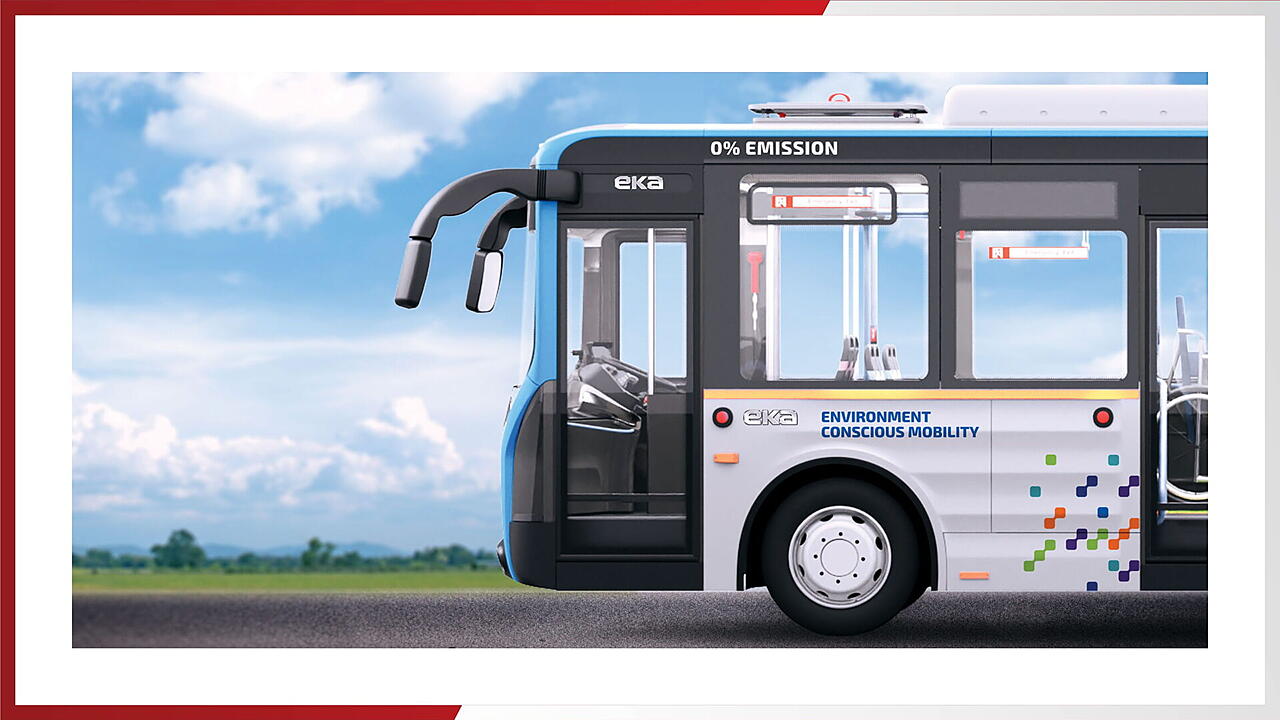
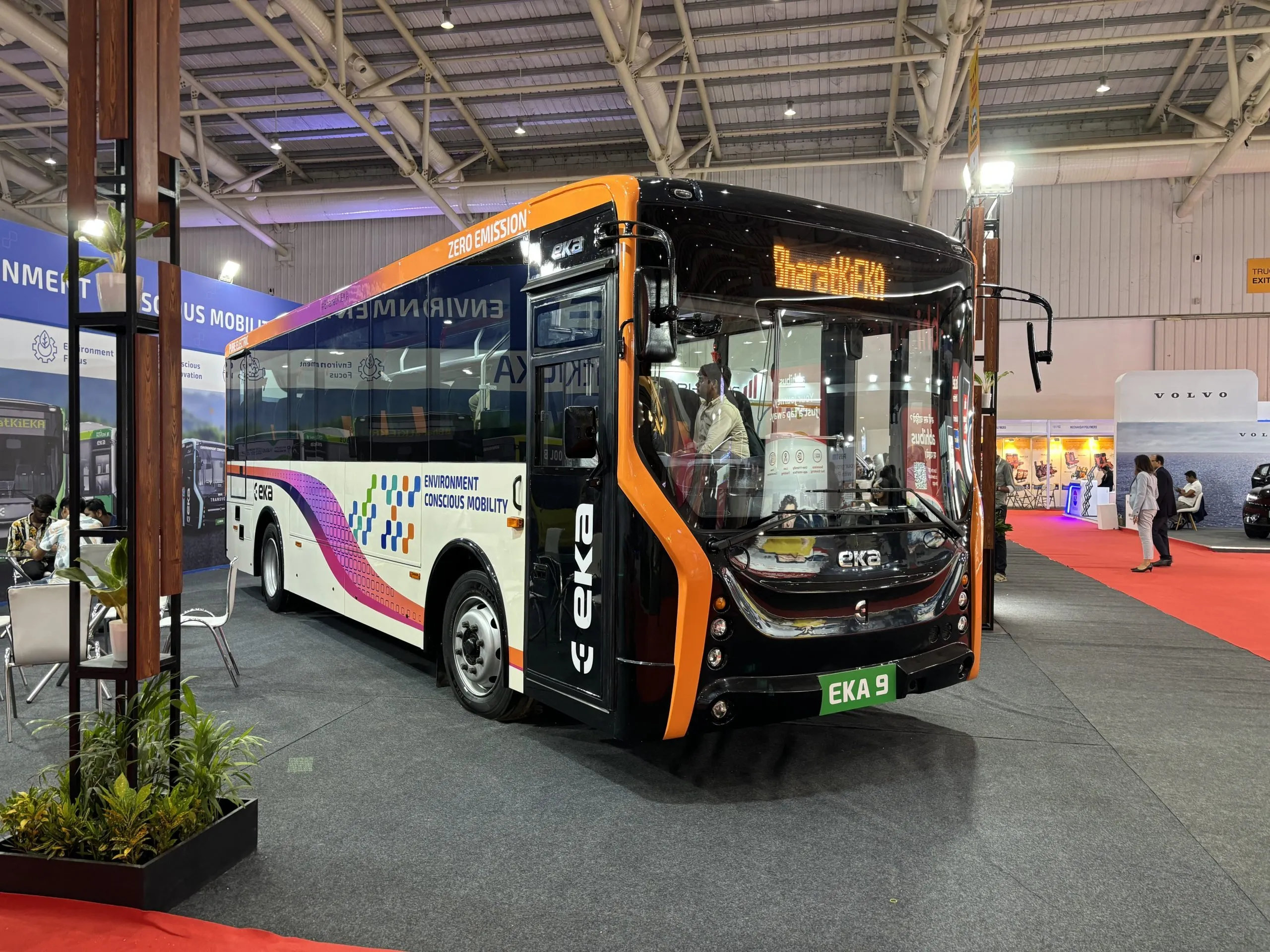
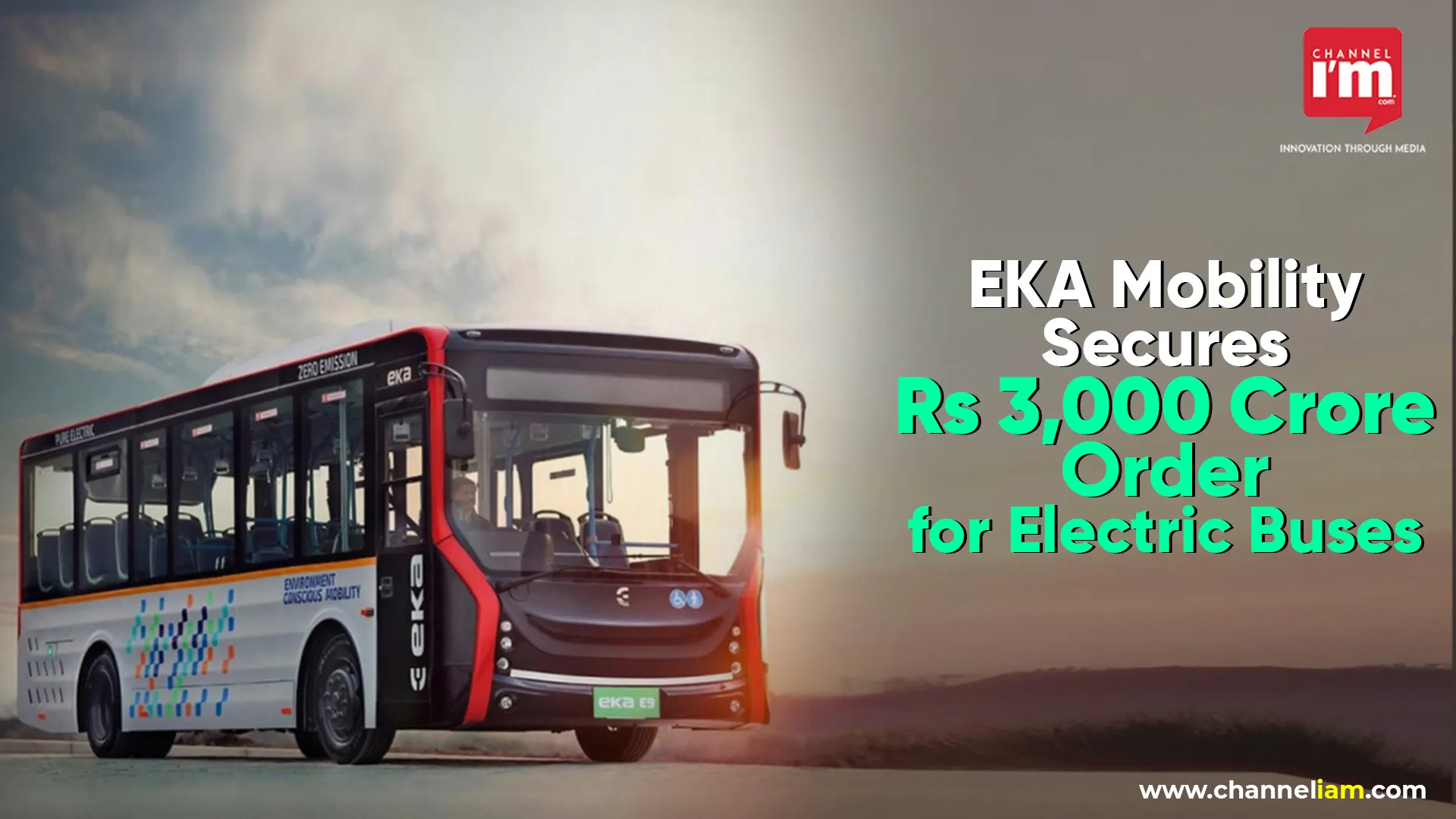
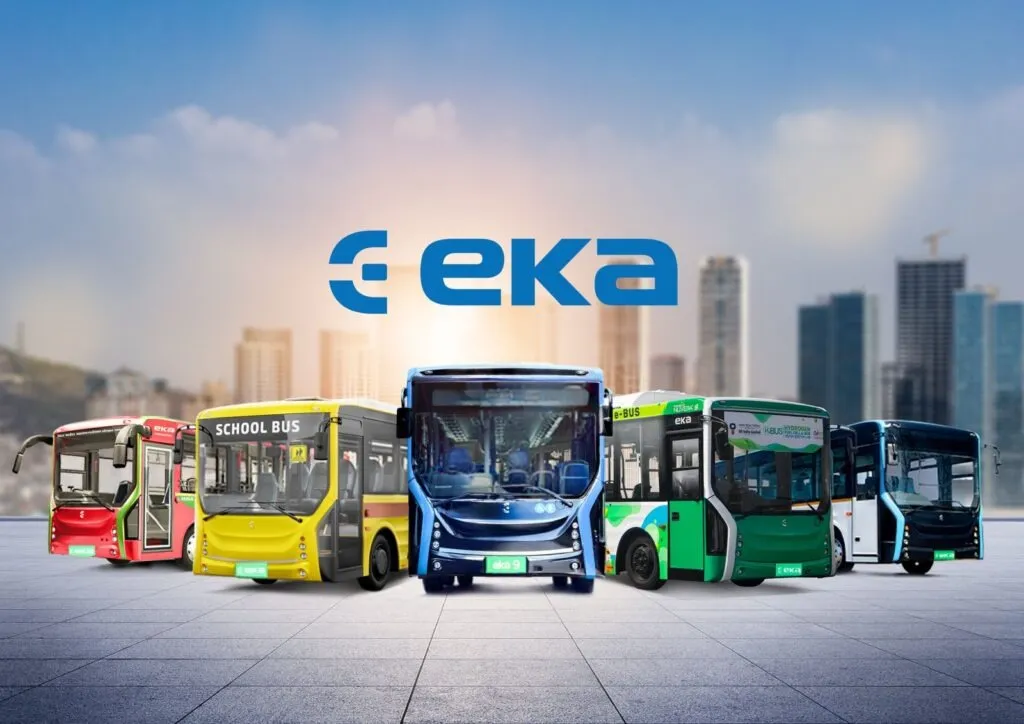
In a landmark move towards sustainable and eco-friendly public transport, EKA Mobility, a leading player in India’s electric vehicle (EV) sector, has successfully secured an order worth INR 150 Crore from the Uttar Pradesh State Road Transport Corporation (UPSRTC). This strategic deal marks a major milestone not only for EKA Mobility but also for the growing momentum of electric mobility in India, especially in the public transport sector.
A Big Leap for EKA Mobility
EKA Mobility, a subsidiary of EKA Group, specializes in manufacturing electric buses designed to reduce carbon emissions and provide a cleaner, more sustainable mode of transport. The order from UPSRTC entails the supply of electric buses for use in Uttar Pradesh’s rapidly growing urban centers. These buses are expected to enhance the state’s public transport infrastructure while contributing to a reduction in air pollution and operating costs.
The contract, valued at INR 150 Crore, is expected to see the delivery of state-of-the-art electric buses with modern features, including zero-emission technology, improved fuel efficiency, and passenger-friendly designs. These buses will be equipped with advanced safety features, real-time tracking systems, and spacious interiors to offer a comfortable travel experience.
The UPSRTC’s Push Towards Green Mobility
The decision by UPSRTC to adopt electric buses is in line with the state government’s broader sustainability goals. The Uttar Pradesh government has set ambitious targets for reducing carbon emissions and has been investing heavily in green mobility solutions. The electric bus fleet will help the state address the growing urbanization challenges while simultaneously working towards cleaner air and reduced dependence on fossil fuels.
For UPSRTC, this initiative is not just about environmental sustainability but also about improving the efficiency and cost-effectiveness of its operations. Electric buses, being more energy-efficient and requiring lower maintenance costs compared to traditional diesel buses, offer significant long-term financial savings. These buses will also help mitigate the challenges associated with fuel price fluctuations, ensuring stable operational costs over time.
EKA Mobility’s Vision for India’s EV Future
For EKA Mobility, this collaboration with UPSRTC is part of its broader vision to become a leading provider of electric mobility solutions across India. The company is committed to accelerating the adoption of electric vehicles in India, particularly in the commercial and public transport segments. The order from UPSRTC will not only help EKA Mobility expand its footprint in the Indian market but also reinforce its mission to drive sustainable urban mobility solutions.
EKA Mobility’s electric buses are designed with a focus on local manufacturing and job creation, contributing to India’s ‘Make in India’ initiative. The company also works closely with local suppliers to ensure that a majority of the bus components are sourced domestically, further driving economic growth and technological innovation in the Indian EV sector.
Implications for the Indian Electric Bus Market
The deal with UPSRTC is likely to have a ripple effect across the Indian electric bus market, encouraging other states and transport corporations to follow suit. As urban populations grow and pollution levels rise, the need for efficient, clean, and sustainable transport solutions has never been more pressing.
Several other state transport corporations, including in cities like Delhi, Mumbai, and Bengaluru, have already expressed interest in transitioning to electric fleets. The success of this partnership between EKA Mobility and UPSRTC could set a benchmark for similar contracts across the country.
Moreover, with the central government offering subsidies and incentives through the Faster Adoption and Manufacturing of Hybrid and Electric Vehicles (FAME) scheme, the financial feasibility of such projects is becoming more accessible for state transport corporations. The growing acceptance and adoption of electric buses will play a crucial role in realizing India’s long-term vision of becoming a carbon-neutral nation by 2030.
The Road Ahead for Electric Mobility in India
As India’s electric vehicle market continues to evolve, the focus is shifting from two-wheelers and passenger cars to larger commercial vehicles such as buses and trucks. Electric buses represent a crucial segment in this transformation, offering significant environmental benefits and aligning with India’s commitment to the Paris Climate Agreement.
The EKA Mobility-UPSRTC partnership is just one example of how private enterprises and government bodies can work together to achieve the nation’s climate and mobility goals. As the Indian EV sector matures, partnerships like these will likely become more frequent, helping the country take strides towards a greener, more sustainable future.
In conclusion, EKA Mobility’s INR 150 Crore electric bus order from UPSRTC is a significant achievement that underscores the growing importance of electric mobility in India’s public transport system. With the government’s continued push for green initiatives and the rising demand for sustainable transport solutions, the future of electric buses in India looks bright.
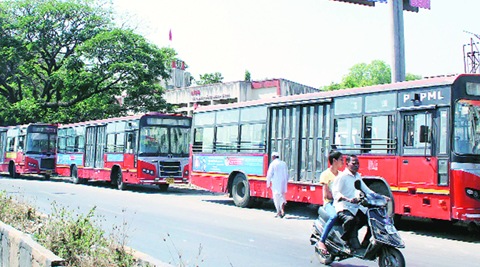
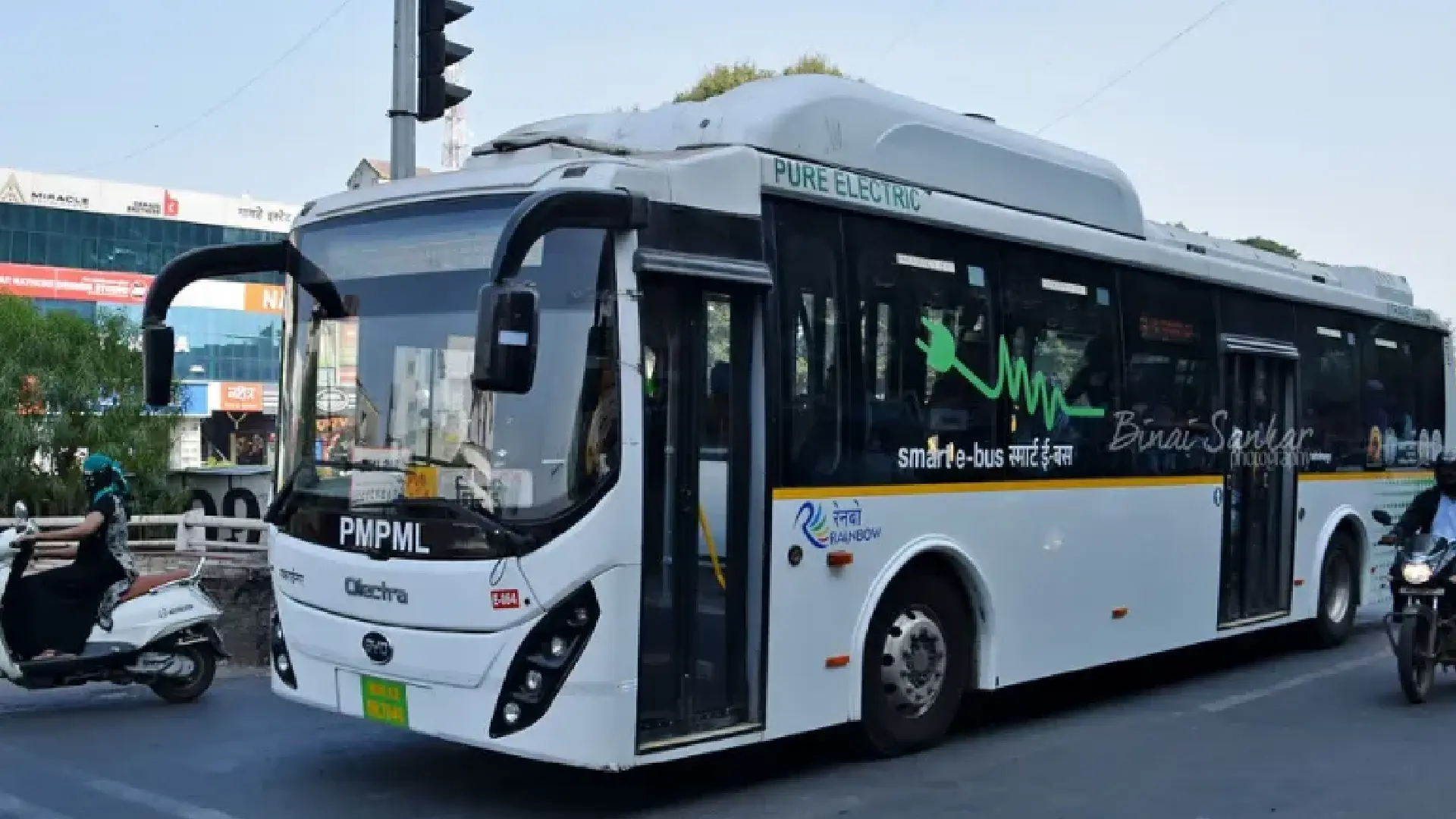
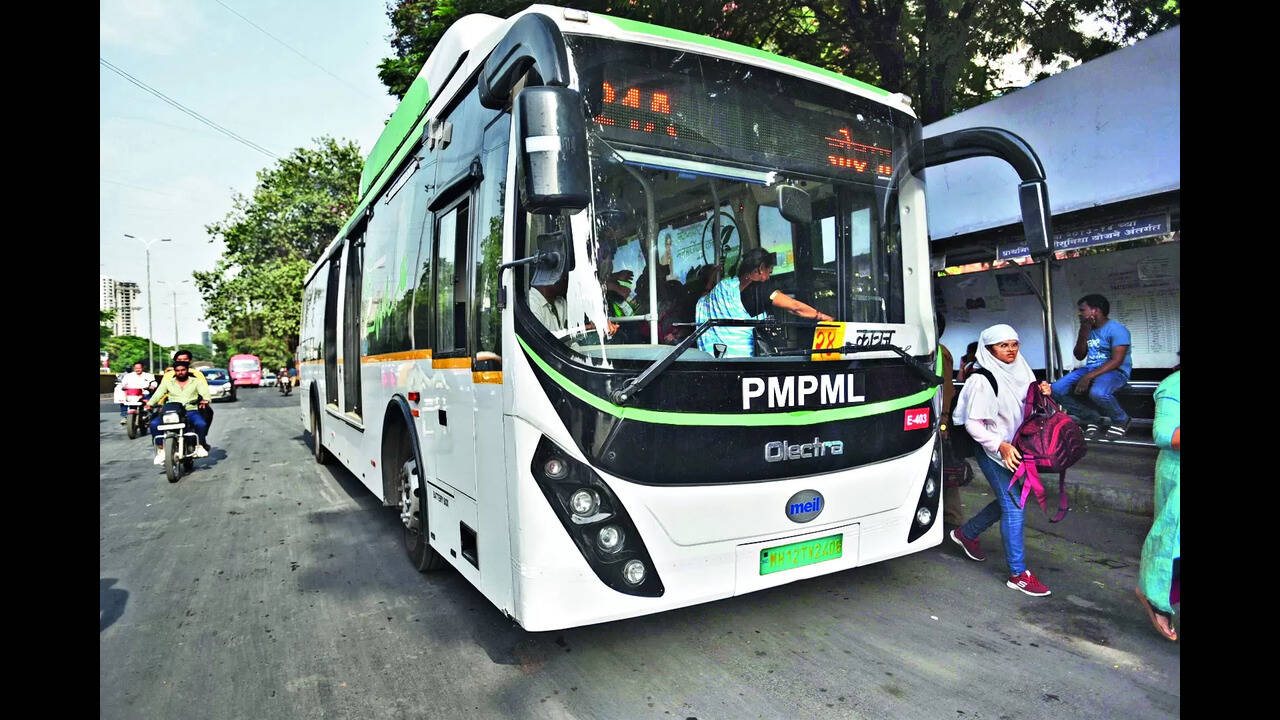
transport provider, is facing an increasingly dire financial situation, prompting the Pune civic body to propose a bus fare hike in a bid to mitigate its mounting losses. The decision comes as the loss-making body grapples with rising operational costs, including fuel prices, maintenance expenditures, and the expansion of its fleet to meet growing urban mobility demands.
The city’s public transport network, which caters to over 10 lakh passengers daily, has long struggled to balance operational expenses with fare revenue. Despite being a crucial lifeline for commuters, PMPML has failed to generate enough income to cover its costs, resulting in substantial deficits year on year.
Financial Woes of PMPML
PMPML’s financial challenges have become more acute in recent years. The agency’s losses have ballooned due to multiple factors, including an inefficient fare structure, rising fuel costs, and the inability to modernize its fleet and infrastructure. The bus service has been forced to continue running at a loss, further straining the budget of the civic body, which subsidizes a significant portion of the operational costs.
As per recent reports, PMPML’s losses have crossed ₹250 crore in the last fiscal year alone, with monthly operating deficits soaring. Experts point out that despite the growth in Pune’s population and the increasing dependence on public transport, fare hikes have not kept pace with inflation and the rising costs of bus operations. The current fares, some of which date back nearly a decade, have failed to align with the realities of running a modern, efficient bus service.
The Fare Hike Proposal
In light of these financial strains, the Pune Municipal Corporation (PMC) has proposed a fare hike, a measure that has sparked debate among citizens, transport workers, and political leaders. The proposal includes increasing fares across all categories, with a particular focus on higher charges for long-distance routes, which are more expensive to operate. According to PMC officials, the fare revision will help recover a portion of the operational costs, ensuring the sustainability of PMPML and enabling continued service delivery.
The fare hike is expected to cover a gap in the PMPML’s finances, but it has raised concerns about its impact on the daily commuters, many of whom already face financial strain. Public outcry is anticipated, especially from low-income groups who rely heavily on the buses as their primary means of transport.
A Dual Challenge: Service Expansion and Cost Management
Another pressing challenge for PMPML is its ongoing efforts to expand and modernize its fleet. With Pune’s rapid urbanization, the demand for public transport has grown significantly in recent years. The city’s current fleet of buses is stretched thin, especially during peak hours, leading to overcrowding and delays. To address this, PMPML has been working to add more buses and introduce electric vehicles (EVs) in its fleet, aligning with the city’s green mobility goals. However, the cost of acquiring and maintaining new buses, particularly electric ones, is substantial.
Moreover, while the central government has offered subsidies for EVs, the transition to cleaner buses involves significant upfront investment and infrastructure changes, which have further strained the finances of the transport agency. Public-private partnerships and collaboration with state and central governments have been proposed as solutions, but funding gaps remain a major concern.
Public Reaction and Political Tensions
The proposed fare hike has not been without controversy. Pune’s residents, many of whom already face a high cost of living, are worried about the financial burden. In a city that has witnessed substantial population growth and increased traffic congestion, the affordability of public transport remains a key issue. Some local groups are calling for the PMC to focus on improving the efficiency and reliability of PMPML’s services before raising fares. Others advocate for a more gradual approach to fare hikes, citing the need for better communication and planning.
Political parties in the region have also weighed in on the issue. While some are supporting the fare hike, arguing that it’s essential to maintain the city’s public transport system, others are critical of the PMC’s handling of the situation. Opposition leaders claim that the civic body has failed to adequately plan for the long-term financial sustainability of PMPML and that fare hikes will disproportionately affect working-class families.
Solutions Beyond the Fare Hike
While the fare hike may offer a temporary financial respite for PMPML, experts argue that it is not a long-term solution to the underlying issues. Experts recommend that the PMC and PMPML explore other avenues to improve the financial health of the transport system. Some possible solutions include:
Better Resource Management: Improving operational efficiency, such as optimizing bus routes, reducing fuel consumption, and introducing digital ticketing systems to streamline operations.
Increased Subsidies: The state government could increase its subsidies to public transport systems, helping to cover some of the operational costs without burdening commuters with higher fares.
Public-Private Partnerships: Involving private players in fleet management, vehicle maintenance, and ticketing could help reduce costs and improve service delivery.
Investment in Technology: Implementing AI and data analytics for route planning and scheduling could make the system more efficient and reduce overhead costs.
Sustainable Financing Models: Exploring financing models such as green bonds or climate-related investments for electric buses could alleviate the financial strain on the public body.
Conclusion
As Pune’s public transport system struggles with financial challenges, the proposed bus fare hike by PMPML is a necessary, yet contentious step towards stabilizing its operations. While fare increases may provide immediate relief, the long-term health of the city’s transport system requires a more holistic approach that includes efficient management, improved infrastructure, and sustainable financing. As Pune continues to grow, ensuring that public transport remains accessible and reliable for all will be key to maintaining the city’s mobility and environmental goals.
In recent months, Mayo Bus Services has seen a noticeable uptick in passenger numbers, signaling a shift in how people view public transportation in the region. This surge in ridership reflects broader trends in urban mobility, where convenience, affordability, and sustainability are becoming paramount for many travelers.
Convenience and Accessibility: Key Drivers of Growth
One of the primary factors contributing to the rise in passengers is the convenience and accessibility of Mayo’s bus services. The bus routes cover a wide area, connecting key towns, suburban areas, and major hubs, making it easier for commuters, students, and tourists to travel without the hassle of parking or driving. The introduction of new routes and improved schedules has made public transport more appealing to people who previously relied on private vehicles.
Moreover, Mayo Bus Services have also improved their accessibility for those with special needs, ensuring a more inclusive experience for all passengers. This focus on ensuring accessibility for everyone has undoubtedly attracted a wider range of commuters.
Affordability in an Increasingly Expensive World
The rising cost of living and fuel prices have led many individuals to rethink their transportation choices. With the cost of petrol and diesel soaring, more passengers are turning to buses as an economical alternative. Mayo Bus Services offer affordable fares, with special discounts for students, senior citizens, and frequent travelers. This cost-effective option is proving to be an attractive alternative for families and individuals who need to balance their budgets.
For many, the savings from public transport are significant, particularly when compared to the ongoing expenses of private vehicle ownership, including fuel, insurance, and maintenance. In an era where economic pressures are felt deeply, the Mayo Bus Services’ affordable pricing is a welcome relief for many.
Environmental concerns are also at the forefront of this rise in bus usage. As awareness of climate change and pollution grows, more people are choosing to reduce their carbon footprint by opting for public transport. Buses, especially those with eco-friendly initiatives such as hybrid or electric options, offer a more sustainable choice compared to the emissions of private cars. Mayo Bus Services have responded to this demand by introducing greener alternatives, aligning with global efforts to reduce urban pollution.
Passengers who are committed to environmental sustainability see the bus as a solution to decrease road congestion and reduce harmful emissions. Public transportation also has the added benefit of promoting more pedestrian-friendly spaces by reducing the number of cars on the road, contributing to a cleaner, healthier environment.
Enhancements to Service and Technology
Another significant factor behind the growth in passenger numbers is the modernization of Mayo Bus Services. The introduction of real-time tracking apps and digital payment systems has made traveling more efficient and convenient. Passengers can now track their buses in real-time, reducing wait times and offering greater peace of mind.
The shift to cashless transactions has also streamlined the boarding process, making it quicker and more secure for passengers. The integration of technology into Mayo’s bus services ensures that commuters have a smooth and hassle-free experience from start to finish.
The Role of Community Support and Partnerships
Local government initiatives and community-based projects have also played a significant role in this increase in ridership. The regional authorities have been keen to invest in public transportation as a means of improving overall infrastructure and enhancing the quality of life for residents. Collaborative efforts between local businesses and Mayo Bus Services have further helped in expanding the reach of public transportation to more areas, making it a more viable option for those in smaller towns or rural communities.
Additionally, partnerships with schools and colleges have encouraged young people to use buses as their primary mode of transport. These strategic collaborations ensure that public transit remains a reliable and safe option for students commuting to and from educational institutions.
Conclusion: The Future of Mayo Bus Services
The rise in passengers using Mayo Bus Services is a promising sign for the future of public transportation in the region. With a focus on convenience, affordability, sustainability, and technology, Mayo’s buses are becoming an increasingly popular choice for daily commutes, travel, and tourism. As demand continues to grow, the bus service is likely to expand further, offering even more options for passengers.
Ultimately, the ongoing success of Mayo Bus Services is a reflection of a broader shift in public attitudes toward transportation—one that values efficiency, cost-effectiveness, and a cleaner environment. As more people choose public transport, the future of Mayo’s bus network looks bright, paving the way for even greater growth and innovation in the years to come.
At the 2024 Euro Bus Expo in Birmingham, UK, the UNVI L24 Midicoach made a stunning debut, capturing the attention of attendees with its sleek design and exceptional performance. This marks a significant milestone for the Spanish manufacturer, which is renowned for its high-quality buses and coaches. The L24 Midicoach’s debut on British soil is set to provide UK operators with a new option for versatile transportation needs, offering a combination of style, comfort, and efficiency.
A Glimpse into the UNVI L24 Midicoach
The UNVI L24 Midicoach stands out for its impressive blend of modern aesthetics and engineering excellence. Designed with both urban and intercity travel in mind, the L24 model features a robust yet elegant exterior, offering a dynamic presence on the road. It is tailored for those who require more than just a bus, providing a premium experience for passengers and operators alike.
The vehicle is equipped with cutting-edge technology to ensure safety, performance, and environmental efficiency. Powered by a fuel-efficient engine, the L24 Midicoach is optimized for long-distance travel, providing low fuel consumption without compromising on power or passenger comfort. Its Euro 6 engine meets stringent emissions standards, making it an environmentally conscious choice for operators.
Interior Comfort and Versatility
Inside the UNVI L24 Midicoach, comfort and flexibility are at the forefront. The cabin is designed to accommodate a wide variety of needs, whether it’s for a private hire service, sightseeing tours, or shuttle services. Passengers will find ample legroom, plush seating, and climate control systems that ensure a pleasant journey, no matter the weather or distance.
The interior layout can be easily customized to suit different purposes, offering options for seating arrangements, luggage storage, and even wheelchair accessibility. This adaptability makes the L24 Midicoach a popular choice for fleet operators looking for a vehicle that can handle diverse transportation needs.
Cutting-Edge Technology and Safety Features
The UNVI L24 Midicoach comes equipped with the latest technology to ensure a safe and smooth ride for both passengers and drivers. It includes advanced driver assistance systems (ADAS) such as lane-keeping assist, adaptive cruise control, and emergency braking, all of which contribute to minimizing the risk of accidents and enhancing safety on the road.
The coach also boasts a modern infotainment system with options for onboard entertainment, keeping passengers engaged during longer journeys. Moreover, its digital driver display ensures that operators have access to real-time data, including fuel consumption and vehicle performance metrics, which are crucial for maintaining operational efficiency.
A Warm Welcome to the UK Market
The UNVI L24 Midicoach’s introduction to the UK market has been met with great enthusiasm. UK operators are keen to explore this new option for expanding their fleets, especially as demand for high-quality, flexible transport solutions continues to grow. With its competitive price point, low operational costs, and stylish design, the L24 Midicoach is expected to appeal to a wide range of operators, from local transport companies to luxury coach providers.
As part of the Euro Bus Expo, the L24 Midicoach was showcased alongside other cutting-edge transport solutions, emphasizing its strong presence in the competitive UK coach market. The positive reception from industry professionals and visitors suggests that this model is poised for success in the UK, offering a compelling alternative to other midicoaches available in the region.
A Bright Future for UNVI in the UK
The UK debut of the UNVI L24 Midicoach signals the company’s commitment to expanding its presence in the European market. The Spanish manufacturer’s track record for producing reliable and high-performance vehicles positions it as a serious contender in the competitive UK bus and coach sector.
As the transportation industry continues to evolve with a focus on sustainability and passenger experience, the UNVI L24 Midicoach represents a forward-thinking solution. With a growing demand for eco-friendly travel options, advanced safety features, and customizable interiors, this new model is set to redefine the midicoach market in the UK and beyond.
The future looks bright for the UNVI L24 Midicoach as it begins its journey in the UK, offering fleet operators a new and exciting option for their businesses.
Lancashire, UK — In a move set to transform local transport, Lancashire’s bus services are set to receive a significant £27 million funding boost aimed at improving service frequency, reliability, and affordability. The investment, part of a wider government initiative to enhance public transport across the UK, is expected to have a far-reaching impact on daily commuters, local residents, and tourists alike.
The funding, announced as part of the UK’s Bus Back Better strategy, will be used to modernise and expand the county’s bus network, helping to drive forward the government’s ambitious targets for cleaner, greener, and more accessible transport options. Lancashire’s bus services, already a vital part of the region’s public transport infrastructure, will undergo a substantial overhaul aimed at increasing bus frequency during peak hours, improving punctuality, and introducing price cuts to make public transport more affordable for everyone.
What the £27 Million Investment Will Fund
The £27 million injection will cover a variety of upgrades to Lancashire’s bus services, which include:
More Frequent Services The funding will enable bus companies to run more frequent services, particularly during peak hours. This will help ease congestion on local roads and provide more reliable transport options for people commuting to work, school, or other essential destinations.
Enhanced Reliability and Timeliness One of the key aims of the initiative is to improve bus punctuality. This will be achieved through better route planning, the use of real-time tracking technology, and more effective communication systems to ensure buses adhere to their schedules. Improved traffic management and priority lanes for buses are also expected to help reduce delays caused by road congestion.
Affordable Ticket Prices As part of the funding plan, fare reductions will be introduced across the county, making bus travel more accessible to people on lower incomes. The move aims to encourage more people to choose buses over private cars, reducing both road congestion and environmental impact.
Improved Accessibility and Sustainability The money will also be used to make buses more accessible for people with disabilities, including the installation of low-floor buses, improved signage, and better communication for people with hearing or visual impairments. Additionally, part of the funding will go towards transitioning the bus fleet to greener, more environmentally friendly vehicles, including electric buses, to reduce carbon emissions in line with the UK’s climate targets.
Expansion of Routes and Coverage The funding will also be used to expand bus routes to areas that currently lack sufficient public transport options. This will provide better connections to towns and rural communities, improving social inclusion and helping people access jobs, healthcare, education, and other vital services.
A Boost for the Local Economy
The £27 million investment is also expected to have a positive economic impact on the region. By improving public transport, it will make it easier for people to access local businesses, retail hubs, and tourist attractions, boosting footfall and spending in key areas. Moreover, by encouraging greater use of buses, the plan aims to reduce the environmental costs associated with private car travel, contributing to the region’s efforts to tackle air pollution and reduce carbon emissions.
Local businesses stand to benefit from improved transport links, which will make it easier for customers and employees alike to reach them. With bus services running more frequently and efficiently, local economies could see a revitalisation, especially in areas that were previously underserved by public transport.
Stronger Community Connections
For many people in Lancashire, buses are the lifeline that connects them to essential services, healthcare, and family members. In rural areas, where alternative transport options may be limited, the improvements are expected to have a significant social impact, providing greater independence for people who rely on public transport to get around.
Councils and community organisations across Lancashire have expressed their support for the funding boost, with many highlighting the positive impact that more reliable, frequent, and affordable bus services will have on the wellbeing and mobility of local residents.
Looking Ahead
With the £27 million investment now in place, the next steps will involve collaboration between local authorities, bus operators, and stakeholders to roll out the improvements in stages. Although many changes are expected in the short term, the long-term goal is to create a transport network that is sustainable, user-friendly, and a cornerstone of Lancashire’s future development.
Local authorities are also working to ensure that the improvements align with the broader aims of reducing the region’s carbon footprint and supporting the UK’s transition to net-zero emissions. As the project develops, more details will emerge about specific routes, fares, and timetables, ensuring that residents have access to up-to-date information as the changes take effect.
The £27 million funding boost is a much-needed lifeline for Lancashire’s bus services, and it represents a major step towards building a more sustainable and inclusive public transport network that will serve the needs of the community for years to come.
In a dramatic turn of events, bus driver safety has surged to the top of the government agenda following a snap strike by drivers protesting unsafe working conditions. The walkout, which lasted for several days and affected public transportation in multiple regions, has sparked urgent discussions about how to better protect the individuals responsible for driving thousands of commuters daily.
A Wake-up Call
The strike, which took place with little warning, caught both commuters and policymakers by surprise. Bus drivers, backed by their unions, took to the streets to demand more robust safety measures after a series of violent incidents involving passengers and an increasing number of workplace assaults. The strike highlighted what many drivers have been silently enduring: a growing sense of vulnerability while performing their duties, often in difficult and unsafe conditions.
The protest gained traction quickly, with drivers citing physical assaults, verbal abuse, and even threats to their lives while on the job. Furthermore, inadequate security measures, such as a lack of working cameras or panic buttons, left many drivers feeling unsupported and exposed. The tipping point came after a particularly harrowing incident in which a bus driver was seriously injured during an altercation with a passenger.
Government Response
Faced with the growing public outcry and a disruption of essential services, government officials were forced to acknowledge the gravity of the situation. In response, a series of emergency meetings were convened, leading to an announcement of a new government initiative focused on improving bus driver safety nationwide.
The initiative, still in its early stages, includes several key components aimed at tackling both the immediate and long-term safety concerns of bus operators. Among the proposed measures are the installation of enhanced surveillance systems on buses, the introduction of body cameras for drivers, and the rollout of “panic buttons” that would allow drivers to alert authorities at the push of a button in the event of an emergency.
In addition, the government has promised to increase funding for training programs designed to help drivers handle difficult or volatile situations more effectively. These programs will emphasize de-escalation tactics, conflict resolution, and how to manage aggression from passengers. The hope is that better training will not only provide drivers with more tools to protect themselves but will also reduce the frequency of confrontational incidents.
Public Backing and Ongoing Debate
While the government’s response has been largely praised by the unions, the broader public remains divided. Many commuters express support for measures that would ensure safer working conditions for bus drivers, recognizing that a secure driver translates into a safer experience for everyone on board. On the other hand, some members of the public worry that these new measures might result in higher operating costs or increased fares, as funds for the security upgrades and additional staff would need to come from somewhere.
The debate has also shifted to the broader question of the social and economic factors contributing to rising tensions between drivers and passengers. Experts argue that addressing safety concerns must go hand in hand with tackling issues like overcrowding, underfunded public transportation systems, and broader societal problems such as economic inequality and mental health crises, which often play a role in escalating conflicts on public transport.
The Role of Unions
Unions representing bus drivers have been vocal in pushing for lasting changes. They argue that the government’s response, while welcome, needs to go further in addressing the root causes of driver insecurity. One union leader emphasized that safety measures alone are not enough to tackle the complex problem; there must be a long-term strategy for improving working conditions, addressing low pay, and providing mental health support for both drivers and passengers.
Unions also stress the need for better reporting mechanisms for incidents of abuse and assault, as many drivers report feeling that their concerns are often dismissed or underreported. A major goal for unions is the establishment of clearer channels through which drivers can report safety issues, with guaranteed follow-up and accountability.
Looking Ahead
As talks continue between unions, government agencies, and public transportation authorities, one thing is clear: bus driver safety will remain a central focus in the months ahead. The snap strike may have disrupted daily life, but it also served as a wake-up call for those in power to address the vulnerabilities faced by bus drivers.
The new government initiative marks a promising step toward a safer environment for bus operators and passengers alike. However, real change will require ongoing dialogue, adequate funding, and a commitment to building a public transportation system that values and protects all its workers. Only then will the government be able to meet the needs of bus drivers who, quite literally, keep the wheels of society moving.
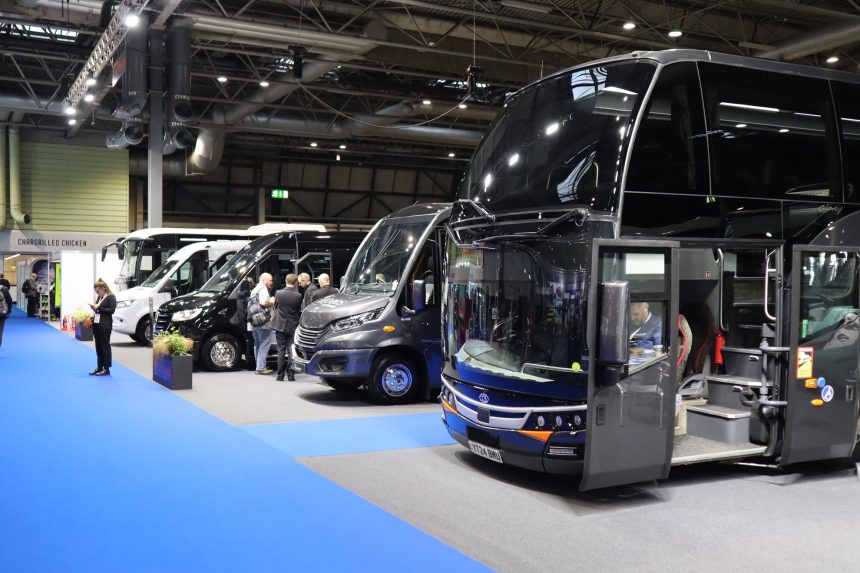
The Euro Bus Expo 2024, one of the premier events in the European bus and coach industry, kicked off with great enthusiasm on its opening day. Held at the National Exhibition Centre (NEC) in Birmingham, the event drew an impressive crowd of industry professionals, manufacturers, and technology providers, all eager to showcase and explore the latest innovations in public transport.
From the very first moments, the atmosphere at Euro Bus Expo was electric. The trade show, which spans several days, offers a platform for businesses to display cutting-edge technology, share knowledge, and discuss the future of sustainable travel, electric vehicles, and passenger comfort. It’s a highly anticipated event for anyone with a stake in the transportation sector.
A Snapshot of Innovation
On the opening day, attendees were treated to a wide array of new product launches and live demonstrations. Manufacturers such as Mercedes-Benz, Volvo, and Alexander Dennis unveiled their latest bus and coach models, featuring a range of environmentally-friendly options, including hydrogen-powered and fully electric buses. These new models are designed to meet growing demand for greener, more sustainable public transport solutions.
The exhibition also highlighted technological advancements aimed at enhancing the travel experience. From advanced AI-driven route optimization systems to in-vehicle entertainment and Wi-Fi solutions, the emphasis was clearly on improving both operational efficiency and passenger comfort. Exhibitors displayed cutting-edge technologies such as zero-emissions powertrains, autonomous driving systems, and telematics that can provide real-time data for better fleet management.
Green Transport Takes Center Stage
As part of the global push for sustainability, Euro Bus Expo 2024 placed a strong focus on green transportation. Several exhibits were dedicated to showcasing how the industry is transitioning to low-carbon and zero-emission buses. From hydrogen fuel cells to battery electric vehicles (BEVs), the event demonstrated how the bus and coach sector is evolving to reduce its carbon footprint. Industry leaders were also engaged in discussions about the UK’s target to achieve net-zero emissions by 2050 and how manufacturers are adapting to meet that goal.
The Expo also provided insights into the infrastructure required to support electric fleets, from charging stations to fleet maintenance technologies. A number of new charging solutions were unveiled, allowing for faster and more efficient recharging, crucial for keeping electric buses on the road for longer periods.
Networking and Knowledge Sharing
Beyond the product displays, Euro Bus Expo facilitated a series of seminars and panel discussions, covering a wide range of topics from fleet management to the future of passenger services. These sessions provided valuable insights for attendees, ranging from public transport operators to policymakers, about the challenges and opportunities facing the bus and coach sector in the coming years.
The event also provided ample opportunities for networking, as key players from across the public and private sectors came together to discuss partnerships, share best practices, and explore new business opportunities. The day’s events were a testament to the strength of the European transport industry and its drive toward innovation.
Looking Ahead
With Euro Bus Expo running until Thursday, attendees can expect even more exciting announcements and interactive demonstrations. The event continues to serve as a pivotal meeting point for the bus and coach industry, offering a glimpse into the future of transportation. Whether it’s electric buses, smart ticketing systems, or autonomous driving technology, the innovations on display promise to drive the evolution of public transport for years to come.
As the show progresses, the focus will undoubtedly remain on sustainability, efficiency, and the future of urban mobility. For industry professionals and enthusiasts alike, Euro Bus Expo 2024 is proving to be an unmissable event, showcasing how the future of public transport is being shaped today.





)





 Niazi Express