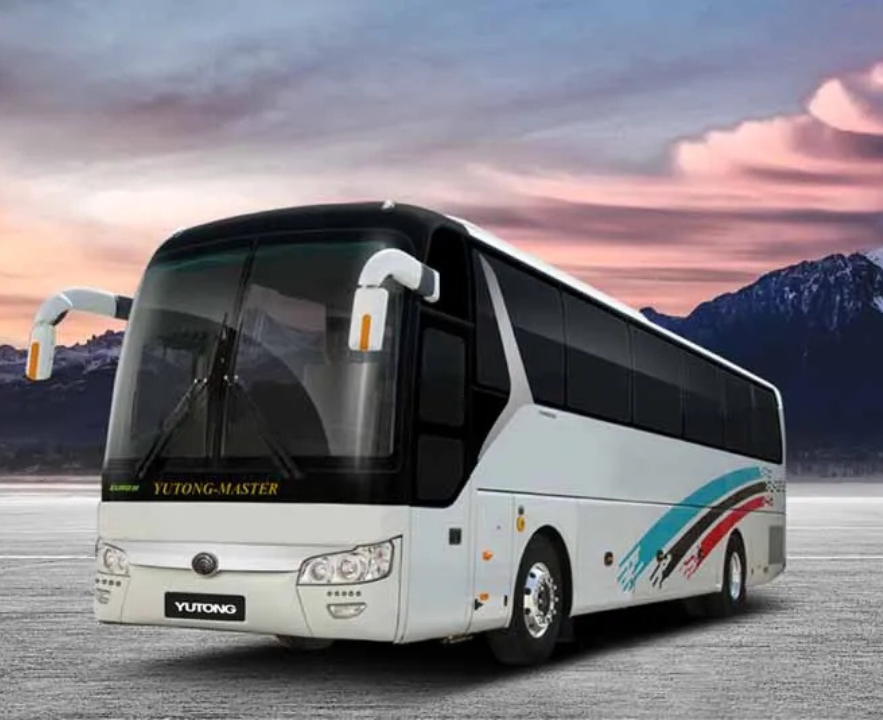

Lancashire, UK — In a move set to transform local transport, Lancashire’s bus services are set to receive a significant £27 million funding boost aimed at improving service frequency, reliability, and affordability. The investment, part of a wider government initiative to enhance public transport across the UK, is expected to have a far-reaching impact on daily commuters, local residents, and tourists alike.
The funding, announced as part of the UK’s Bus Back Better strategy, will be used to modernise and expand the county’s bus network, helping to drive forward the government’s ambitious targets for cleaner, greener, and more accessible transport options. Lancashire’s bus services, already a vital part of the region’s public transport infrastructure, will undergo a substantial overhaul aimed at increasing bus frequency during peak hours, improving punctuality, and introducing price cuts to make public transport more affordable for everyone.
What the £27 Million Investment Will Fund
The £27 million injection will cover a variety of upgrades to Lancashire’s bus services, which include:
- More Frequent Services
The funding will enable bus companies to run more frequent services, particularly during peak hours. This will help ease congestion on local roads and provide more reliable transport options for people commuting to work, school, or other essential destinations. - Enhanced Reliability and Timeliness
One of the key aims of the initiative is to improve bus punctuality. This will be achieved through better route planning, the use of real-time tracking technology, and more effective communication systems to ensure buses adhere to their schedules. Improved traffic management and priority lanes for buses are also expected to help reduce delays caused by road congestion. - Affordable Ticket Prices
As part of the funding plan, fare reductions will be introduced across the county, making bus travel more accessible to people on lower incomes. The move aims to encourage more people to choose buses over private cars, reducing both road congestion and environmental impact. - Improved Accessibility and Sustainability
The money will also be used to make buses more accessible for people with disabilities, including the installation of low-floor buses, improved signage, and better communication for people with hearing or visual impairments. Additionally, part of the funding will go towards transitioning the bus fleet to greener, more environmentally friendly vehicles, including electric buses, to reduce carbon emissions in line with the UK’s climate targets. - Expansion of Routes and Coverage
The funding will also be used to expand bus routes to areas that currently lack sufficient public transport options. This will provide better connections to towns and rural communities, improving social inclusion and helping people access jobs, healthcare, education, and other vital services.
A Boost for the Local Economy
The £27 million investment is also expected to have a positive economic impact on the region. By improving public transport, it will make it easier for people to access local businesses, retail hubs, and tourist attractions, boosting footfall and spending in key areas. Moreover, by encouraging greater use of buses, the plan aims to reduce the environmental costs associated with private car travel, contributing to the region’s efforts to tackle air pollution and reduce carbon emissions.
Local businesses stand to benefit from improved transport links, which will make it easier for customers and employees alike to reach them. With bus services running more frequently and efficiently, local economies could see a revitalisation, especially in areas that were previously underserved by public transport.
Stronger Community Connections
For many people in Lancashire, buses are the lifeline that connects them to essential services, healthcare, and family members. In rural areas, where alternative transport options may be limited, the improvements are expected to have a significant social impact, providing greater independence for people who rely on public transport to get around.
Councils and community organisations across Lancashire have expressed their support for the funding boost, with many highlighting the positive impact that more reliable, frequent, and affordable bus services will have on the wellbeing and mobility of local residents.
Looking Ahead
With the £27 million investment now in place, the next steps will involve collaboration between local authorities, bus operators, and stakeholders to roll out the improvements in stages. Although many changes are expected in the short term, the long-term goal is to create a transport network that is sustainable, user-friendly, and a cornerstone of Lancashire’s future development.
Local authorities are also working to ensure that the improvements align with the broader aims of reducing the region’s carbon footprint and supporting the UK’s transition to net-zero emissions. As the project develops, more details will emerge about specific routes, fares, and timetables, ensuring that residents have access to up-to-date information as the changes take effect.
The £27 million funding boost is a much-needed lifeline for Lancashire’s bus services, and it represents a major step towards building a more sustainable and inclusive public transport network that will serve the needs of the community for years to come.
 Niazi Express