The electric bus (e-bus) market in Europe continues to grow at an impressive pace, with over 4,000 e-buses registered in the first three quarters of 2024, reflecting a 25% year-on-year increase. This significant milestone highlights the continent’s commitment to sustainable urban transport and reducing carbon emissions in cities.
Mercedes-Benz Leads the Charge
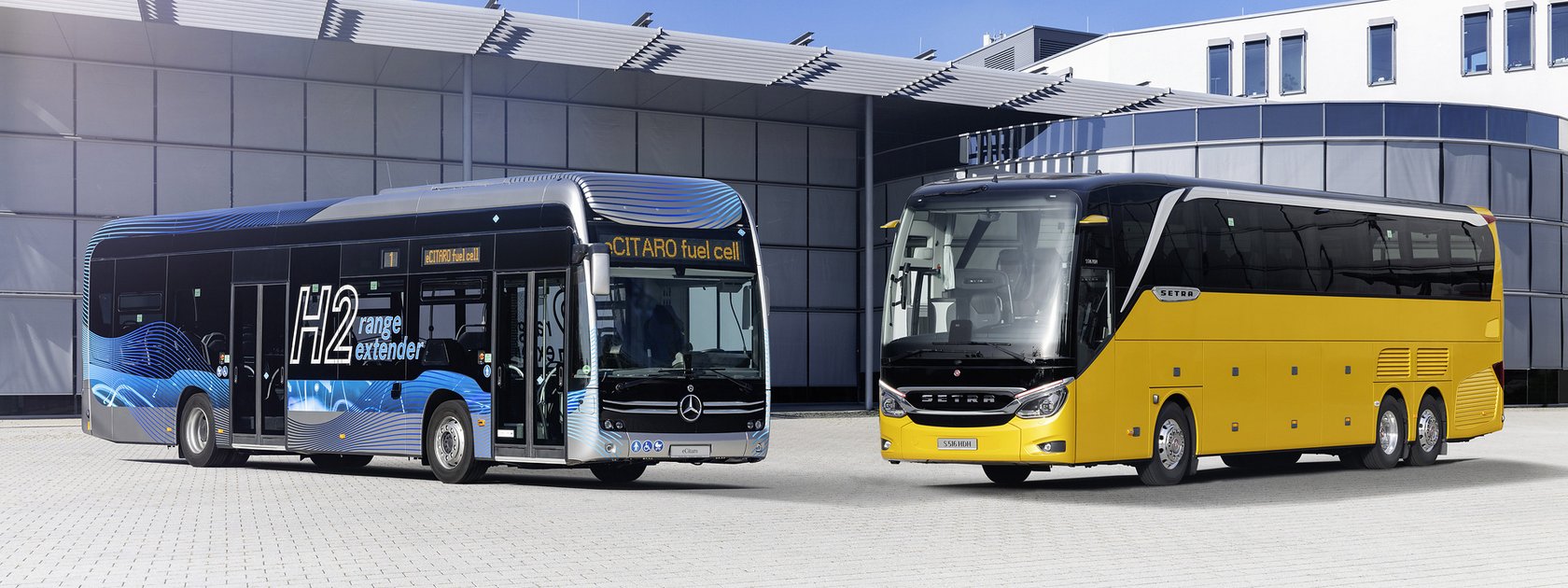
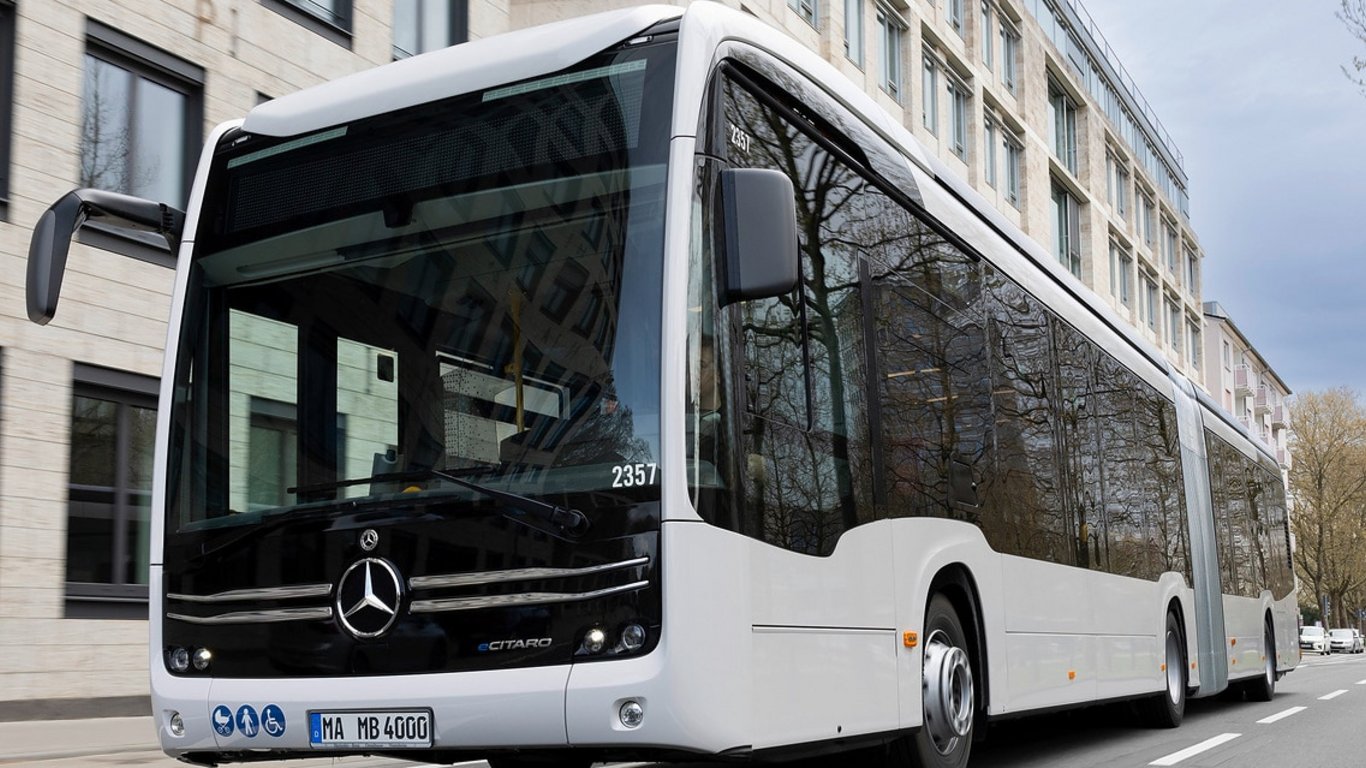
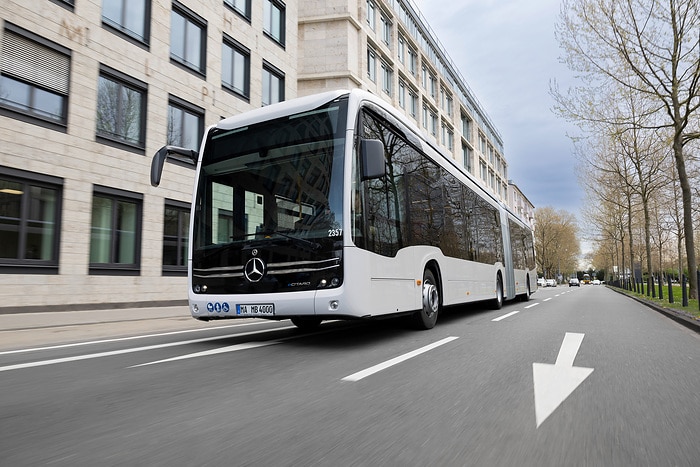
Among the leading players in the European e-bus market, Mercedes-Benz has emerged as the frontrunner. The company’s consistent innovation, expanding product line, and reliable performance have contributed to its dominance in the segment. The Mercedes eCitaro, in particular, has gained traction for its advanced battery technology and efficiency, making it a preferred choice for urban transportation networks.
Key Drivers of Growth
The surge in e-bus registrations can be attributed to several factors:
- Government Policies and Incentives: European governments continue to implement strict emission standards and provide financial incentives to promote electric vehicles. Many cities are setting ambitious zero-emission targets, pushing public transport operators to adopt e-buses at a faster rate.
Read More This About
- Advancements in Battery Technology: Improvements in battery efficiency, reduced charging times, and increased range are addressing previous limitations of electric buses, making them more viable for long-distance urban routes.
- Environmental Awareness: Rising concerns about air pollution and climate change are driving cities and transport authorities to transition to greener public transportation systems.
- Fleet Modernization Programs: European public transport operators are increasingly prioritizing the modernization of their fleets, replacing aging diesel buses with cleaner, more efficient e-buses.
Countries Leading E-Bus Adoption
While e-bus adoption is growing across Europe, certain countries stand out for their accelerated deployment:
- Germany: Leading the charge with substantial government support and a large urban transportation network.
- The Netherlands: Pioneering sustainable urban transport solutions with a focus on zero-emission buses.
- France and the UK: Both countries are investing heavily in electric infrastructure to support e-bus integration.
Future Outlook
The European e-bus market shows no signs of slowing down. With the EU’s Green Deal and increasing investments in electric vehicle infrastructure, the adoption of e-buses is expected to rise even further. Industry experts predict that by 2030, electric buses could account for over 50% of Europe’s urban bus fleet.
Mercedes-Benz Setting a Benchmark

Mercedes’ leadership in the e-bus market demonstrates how legacy manufacturers can adapt to the evolving demands of sustainable mobility. With the growing competition from other brands like Volvo, BYD, and MAN, Mercedes’ continued investment in research, innovation, and customer support will be critical to maintaining its lead.
 Niazi Express