
transport provider, is facing an increasingly dire financial situation, prompting the Pune civic body to propose a bus fare hike in a bid to mitigate its mounting losses. The decision comes as the loss-making body grapples with rising operational costs, including fuel prices, maintenance expenditures, and the expansion of its fleet to meet growing urban mobility demands.
The city’s public transport network, which caters to over 10 lakh passengers daily, has long struggled to balance operational expenses with fare revenue. Despite being a crucial lifeline for commuters, PMPML has failed to generate enough income to cover its costs, resulting in substantial deficits year on year.
Financial Woes of PMPML
PMPML’s financial challenges have become more acute in recent years. The agency’s losses have ballooned due to multiple factors, including an inefficient fare structure, rising fuel costs, and the inability to modernize its fleet and infrastructure. The bus service has been forced to continue running at a loss, further straining the budget of the civic body, which subsidizes a significant portion of the operational costs.
As per recent reports, PMPML’s losses have crossed ₹250 crore in the last fiscal year alone, with monthly operating deficits soaring. Experts point out that despite the growth in Pune’s population and the increasing dependence on public transport, fare hikes have not kept pace with inflation and the rising costs of bus operations. The current fares, some of which date back nearly a decade, have failed to align with the realities of running a modern, efficient bus service.
The Fare Hike Proposal
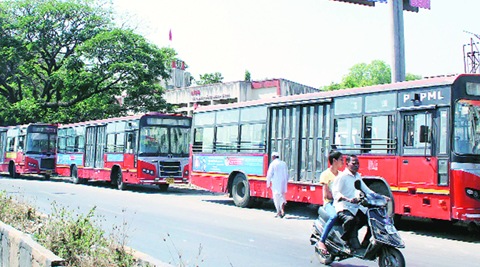
In light of these financial strains, the Pune Municipal Corporation (PMC) has proposed a fare hike, a measure that has sparked debate among citizens, transport workers, and political leaders. The proposal includes increasing fares across all categories, with a particular focus on higher charges for long-distance routes, which are more expensive to operate. According to PMC officials, the fare revision will help recover a portion of the operational costs, ensuring the sustainability of PMPML and enabling continued service delivery.
The fare hike is expected to cover a gap in the PMPML’s finances, but it has raised concerns about its impact on the daily commuters, many of whom already face financial strain. Public outcry is anticipated, especially from low-income groups who rely heavily on the buses as their primary means of transport.
A Dual Challenge: Service Expansion and Cost Management
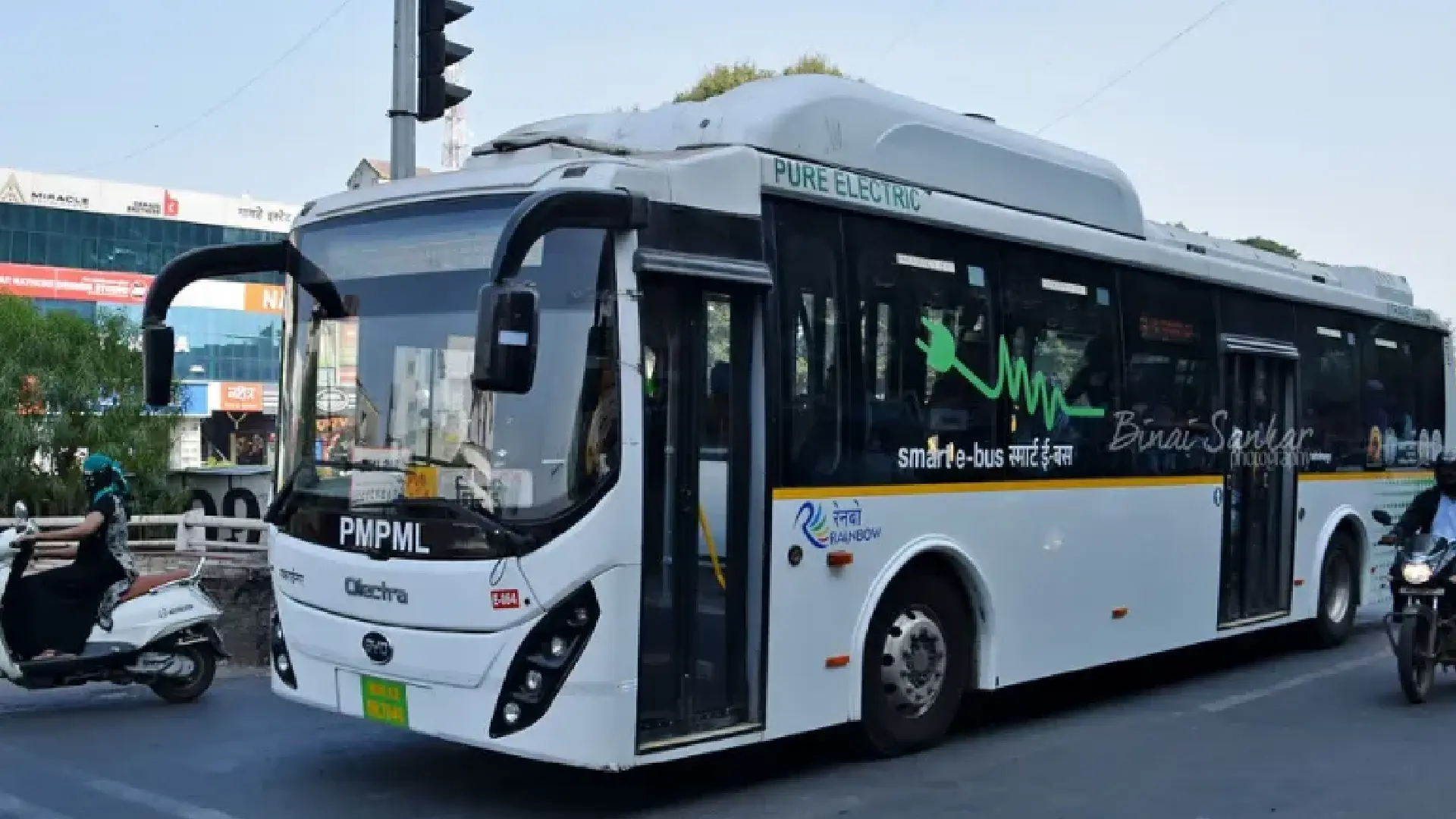
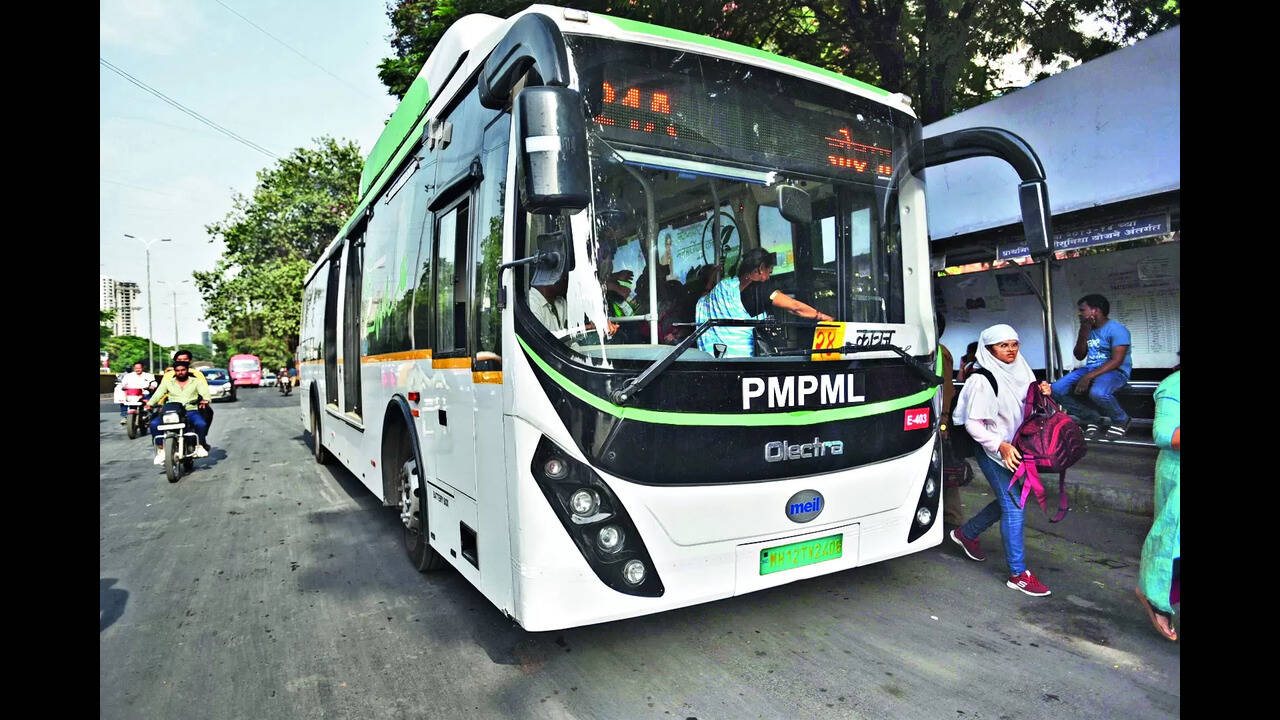
Another pressing challenge for PMPML is its ongoing efforts to expand and modernize its fleet. With Pune’s rapid urbanization, the demand for public transport has grown significantly in recent years. The city’s current fleet of buses is stretched thin, especially during peak hours, leading to overcrowding and delays. To address this, PMPML has been working to add more buses and introduce electric vehicles (EVs) in its fleet, aligning with the city’s green mobility goals. However, the cost of acquiring and maintaining new buses, particularly electric ones, is substantial.
Moreover, while the central government has offered subsidies for EVs, the transition to cleaner buses involves significant upfront investment and infrastructure changes, which have further strained the finances of the transport agency. Public-private partnerships and collaboration with state and central governments have been proposed as solutions, but funding gaps remain a major concern.
Public Reaction and Political Tensions
The proposed fare hike has not been without controversy. Pune’s residents, many of whom already face a high cost of living, are worried about the financial burden. In a city that has witnessed substantial population growth and increased traffic congestion, the affordability of public transport remains a key issue. Some local groups are calling for the PMC to focus on improving the efficiency and reliability of PMPML’s services before raising fares. Others advocate for a more gradual approach to fare hikes, citing the need for better communication and planning.
Political parties in the region have also weighed in on the issue. While some are supporting the fare hike, arguing that it’s essential to maintain the city’s public transport system, others are critical of the PMC’s handling of the situation. Opposition leaders claim that the civic body has failed to adequately plan for the long-term financial sustainability of PMPML and that fare hikes will disproportionately affect working-class families.
Solutions Beyond the Fare Hike
While the fare hike may offer a temporary financial respite for PMPML, experts argue that it is not a long-term solution to the underlying issues. Experts recommend that the PMC and PMPML explore other avenues to improve the financial health of the transport system. Some possible solutions include:
- Better Resource Management: Improving operational efficiency, such as optimizing bus routes, reducing fuel consumption, and introducing digital ticketing systems to streamline operations.
- Increased Subsidies: The state government could increase its subsidies to public transport systems, helping to cover some of the operational costs without burdening commuters with higher fares.
- Public-Private Partnerships: Involving private players in fleet management, vehicle maintenance, and ticketing could help reduce costs and improve service delivery.
- Investment in Technology: Implementing AI and data analytics for route planning and scheduling could make the system more efficient and reduce overhead costs.
- Sustainable Financing Models: Exploring financing models such as green bonds or climate-related investments for electric buses could alleviate the financial strain on the public body.
Conclusion
As Pune’s public transport system struggles with financial challenges, the proposed bus fare hike by PMPML is a necessary, yet contentious step towards stabilizing its operations. While fare increases may provide immediate relief, the long-term health of the city’s transport system requires a more holistic approach that includes efficient management, improved infrastructure, and sustainable financing. As Pune continues to grow, ensuring that public transport remains accessible and reliable for all will be key to maintaining the city’s mobility and environmental goals.
 Niazi Express